Bioluminescence
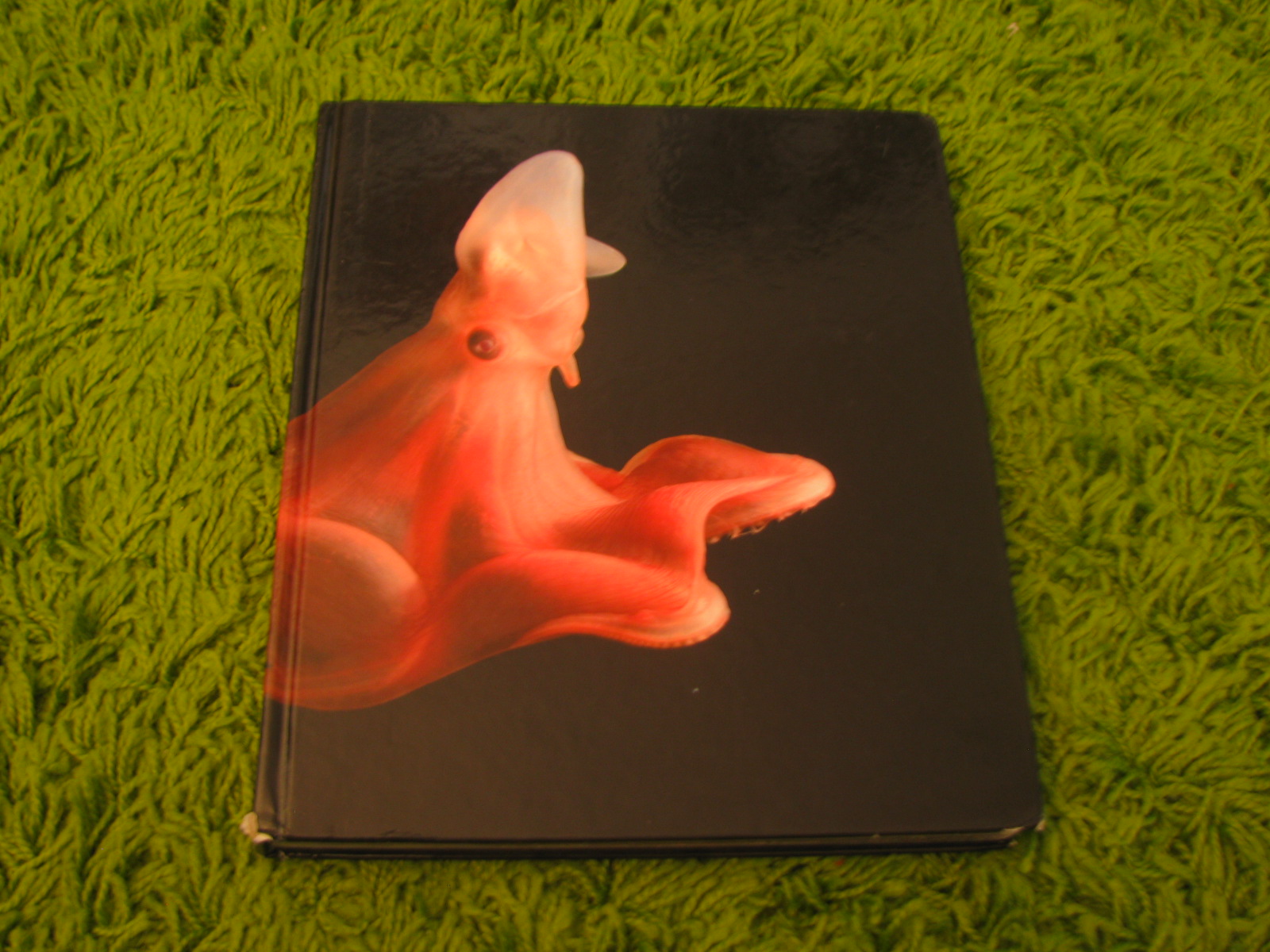
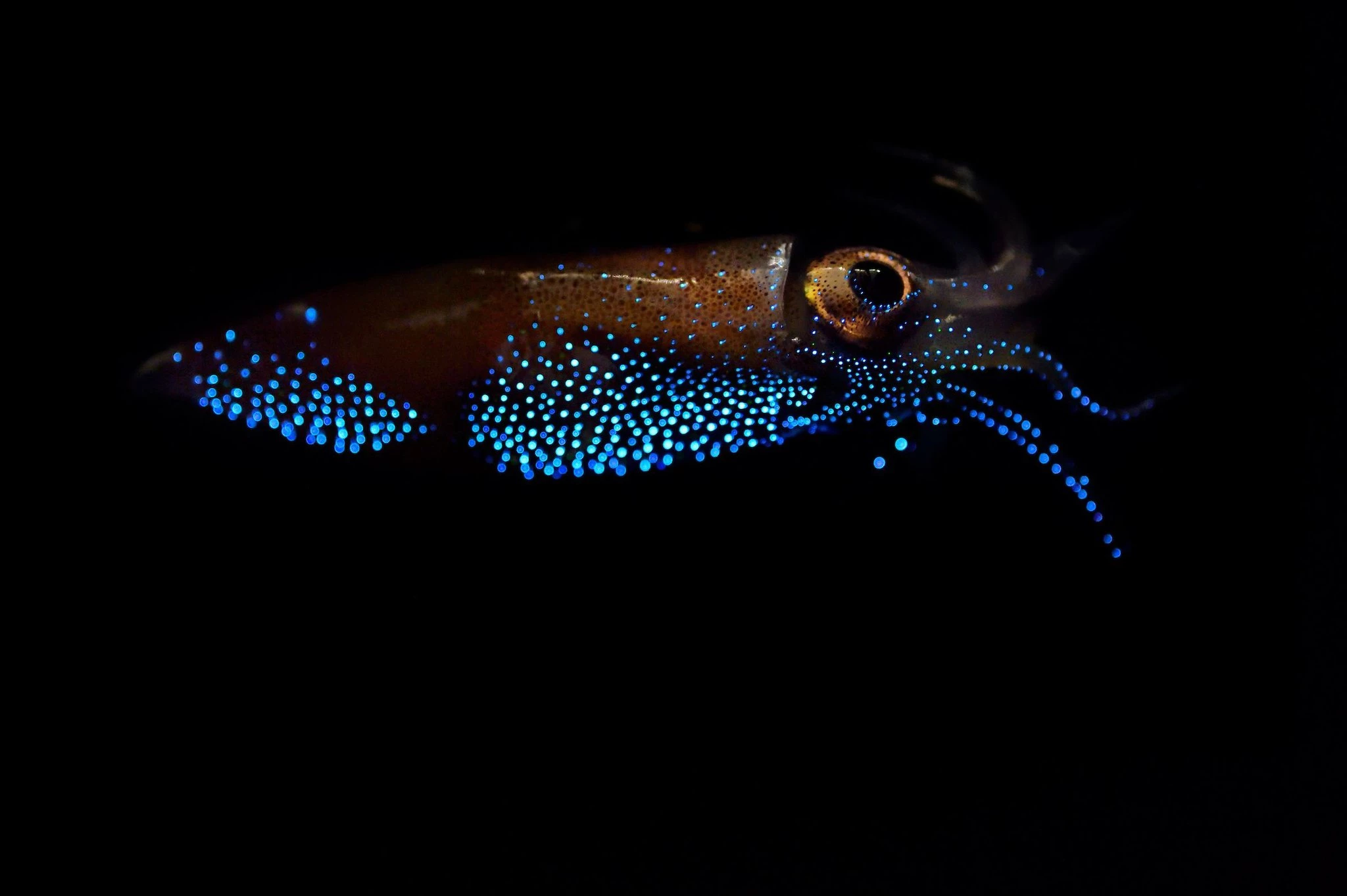
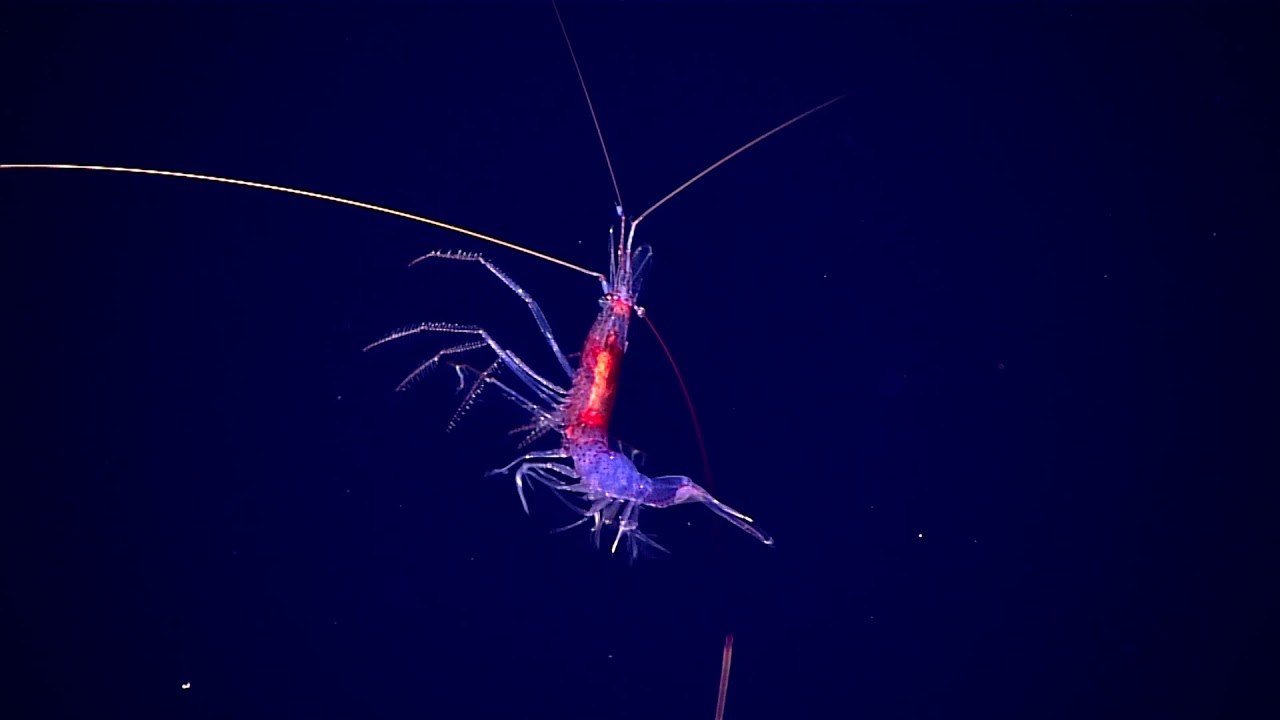
The deep sea has a plethora of bioluminescent animals such as anglerfish, jellyfish, shrimp, worms, and many more.
Here is an example!
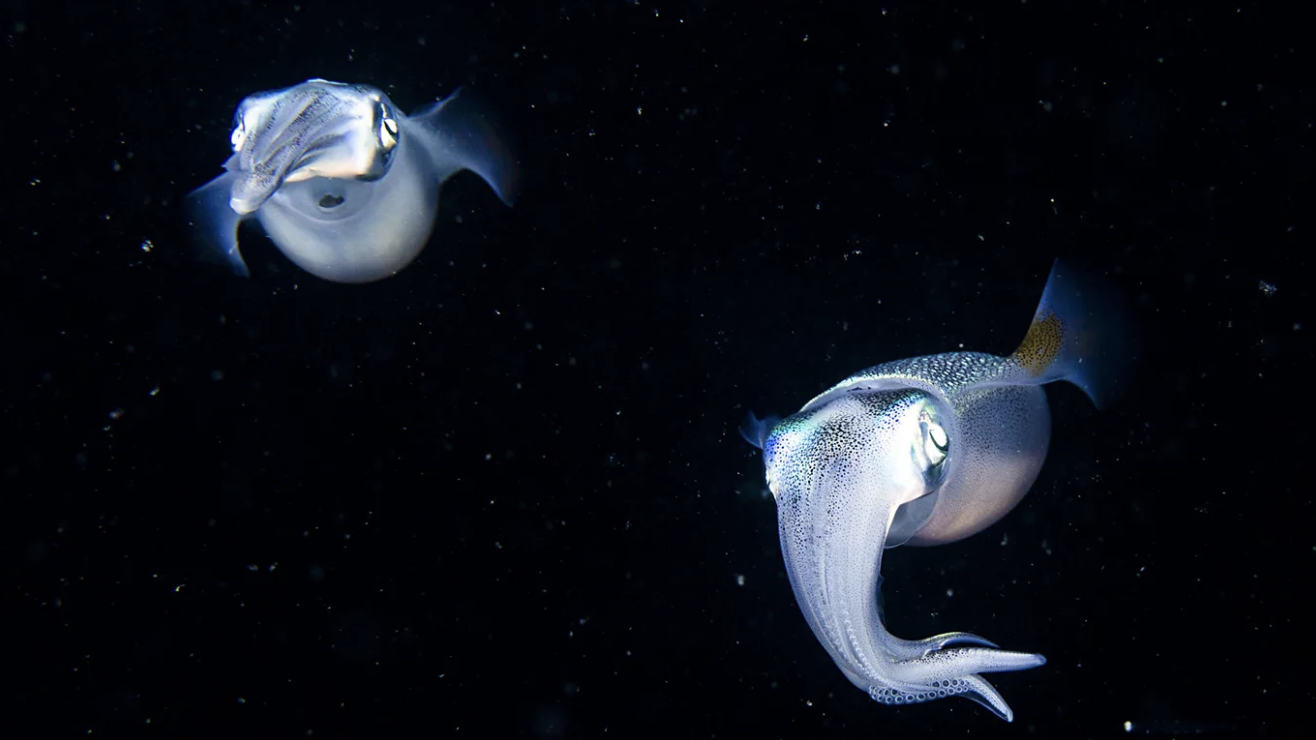
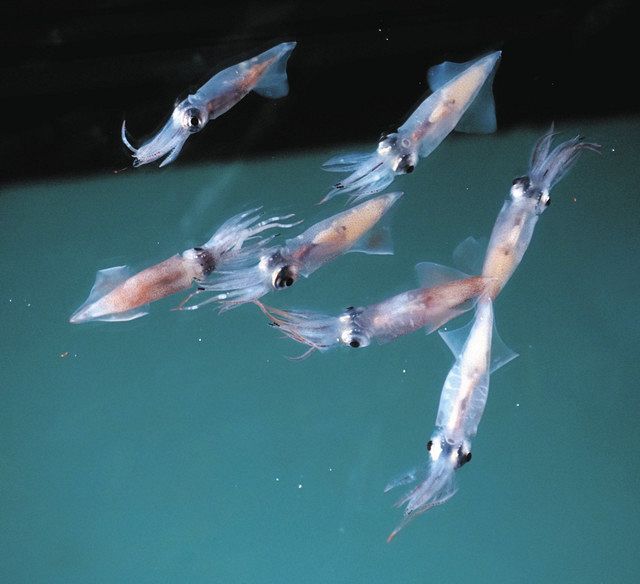
Known commonly as the Firefly Squid, these little guys measure about 2–3 inches in length. They can be found at 200–600 meters during the day and 20–60 meters at night, primarily in Toyama Bay, Japan, and are famous for their bioluminescence.
You come here often?
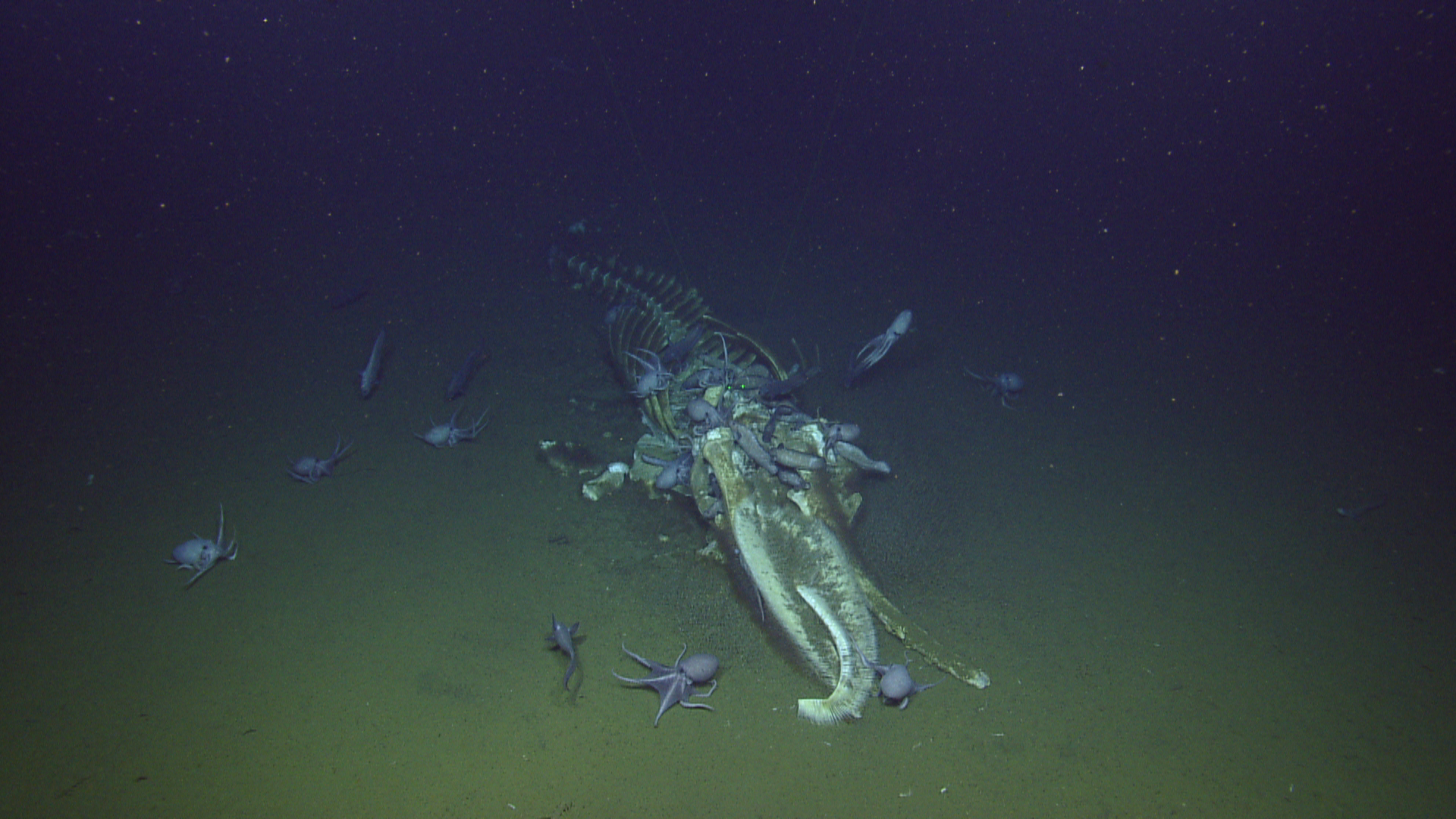
Some popular animals you will find at a whale fall are sleeper sharks, galatheid crabs and other crabs, eels, brittle stars, and sea pigs.
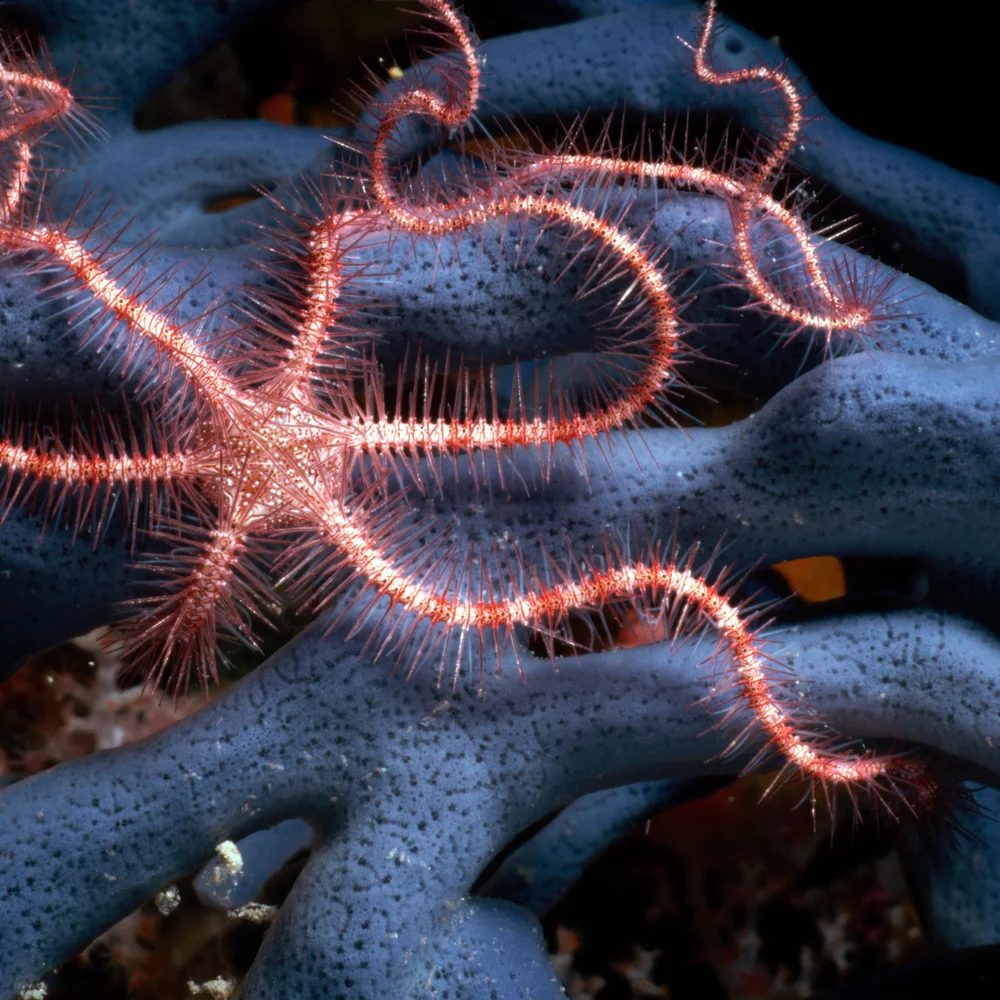
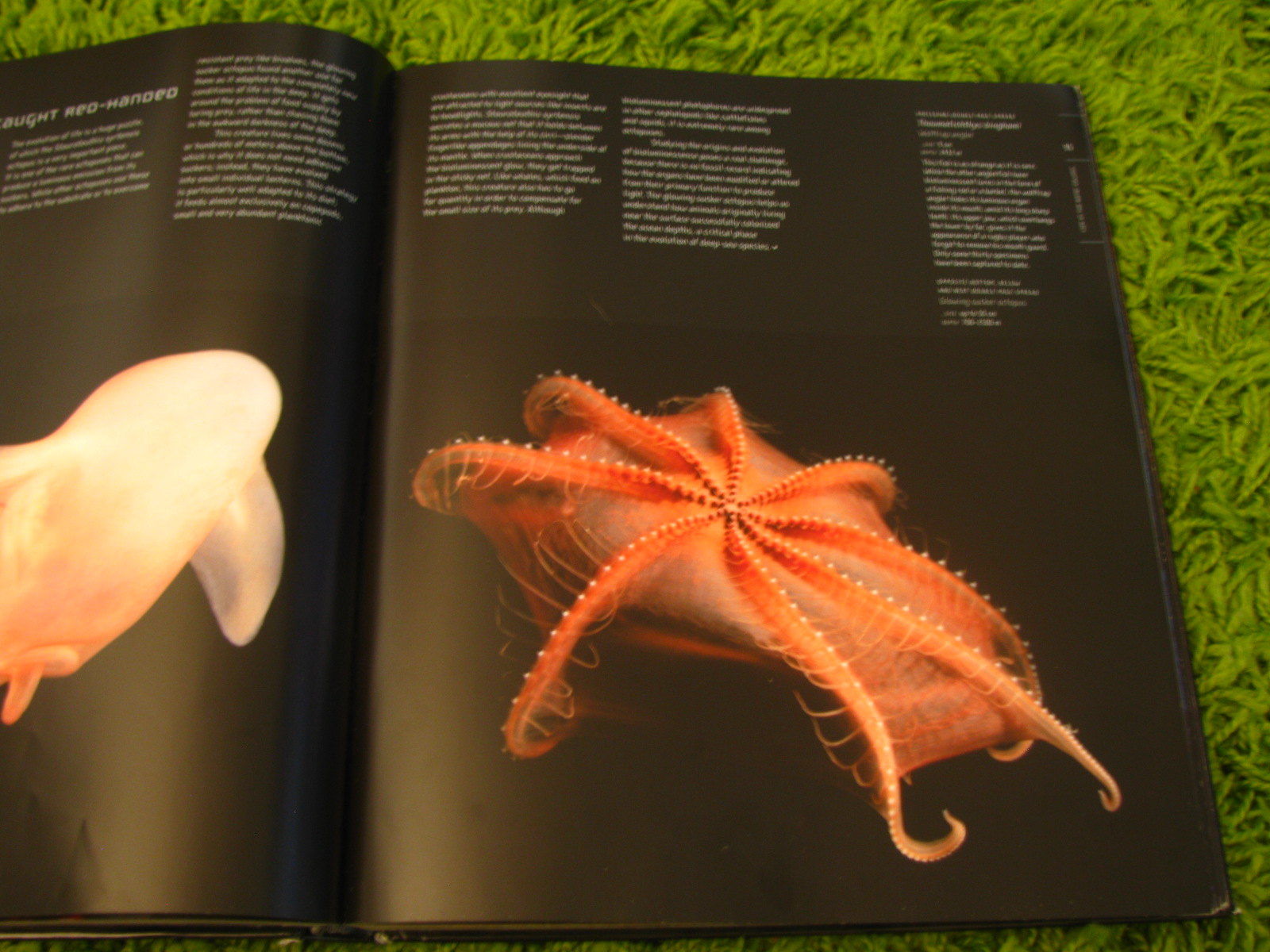
Here is an example of a brittle star
Brittle stars are echinoderms in the class Ophiuroidea, closely related to starfish. They move much quicker than starfish due to the differences in their bodies. Brittle stars have skinnier and longer arms that are connected to a central disc, while most starfish have thicker arms that are wider at the base that connects to the central disc.
Below is an example of a starfish moving at its regular rate, and a brittle star moving at its regular rate.
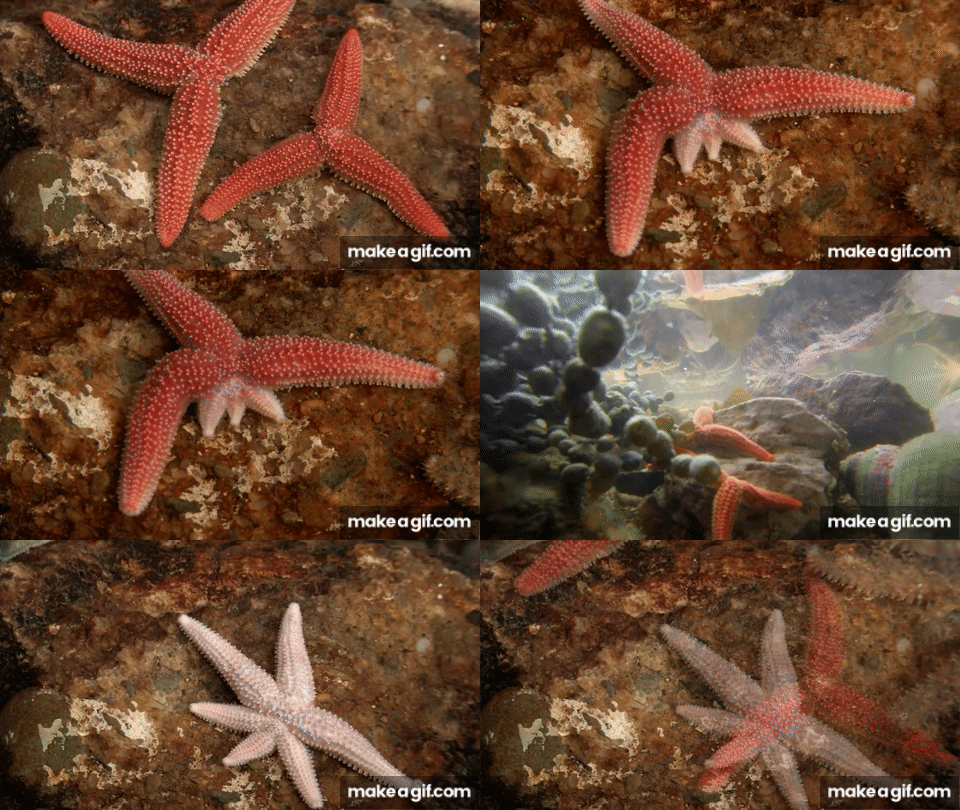
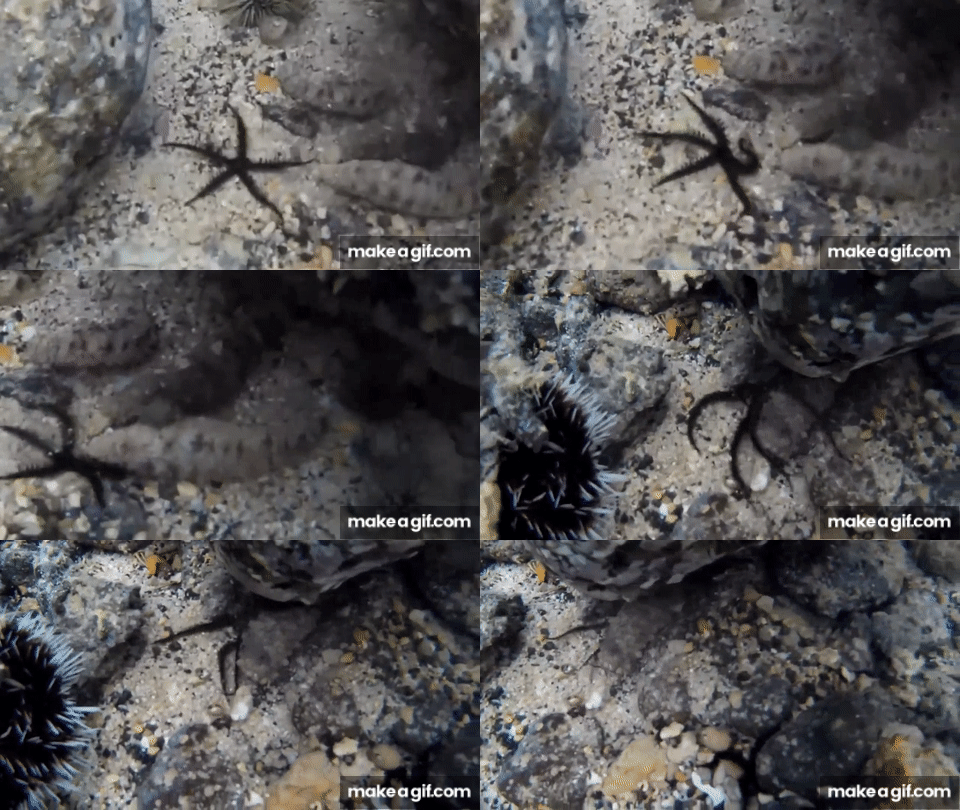
Through these gifs you can observe that Brittle stars, though in the same phylum as starfish (Echinodermata) are much different.
Galatheid Crabs
Galatheid Crabs, also known as squat lobsters but are not actually lobsters.
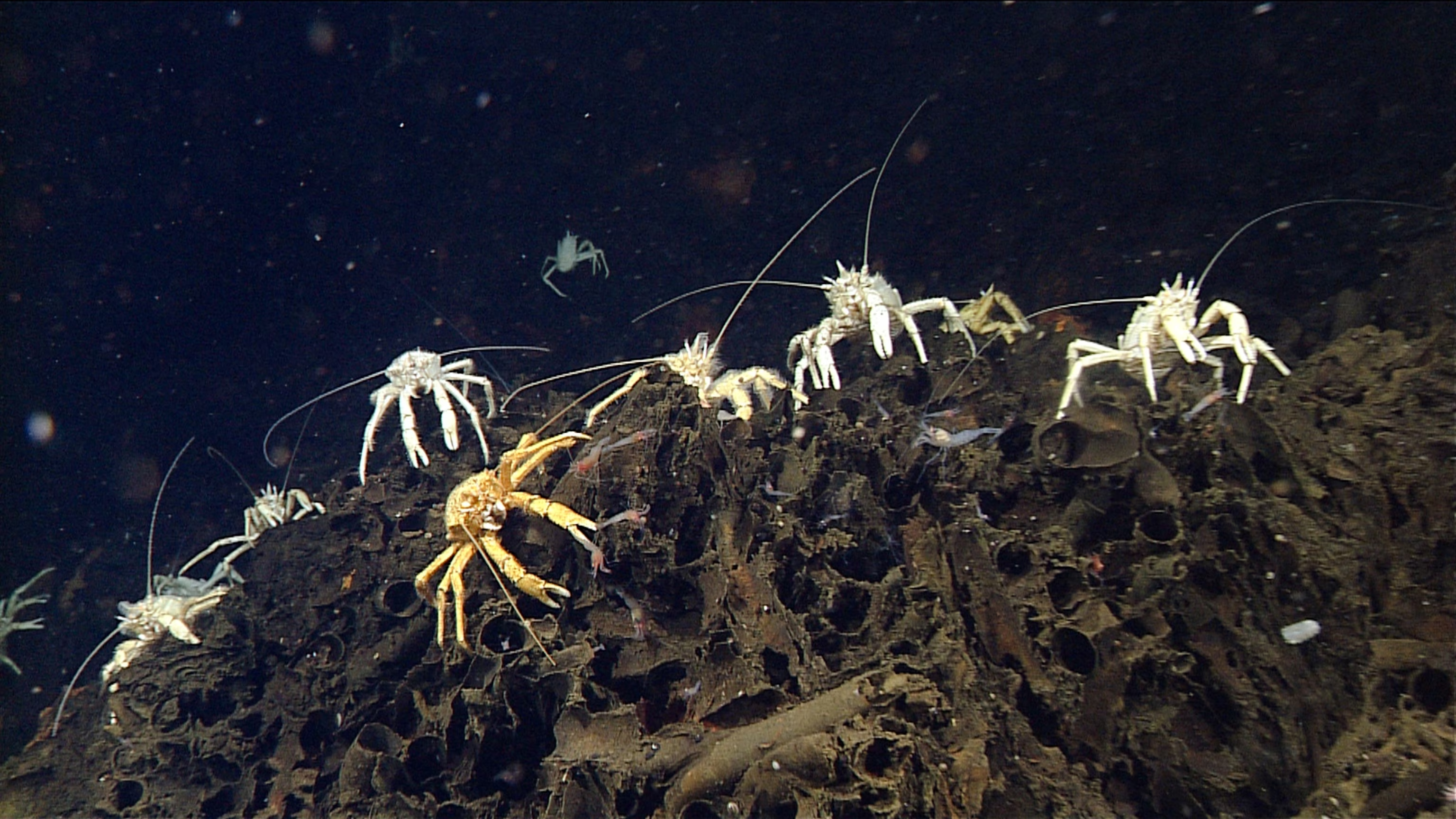
This is the Munidopsis albatrossae, the ghostly white, blind crab that lives at depths of 2500 meters
These crabs can be found scavenging at the ocean floor, eating bacteria near hydrothermal vents or wood in the deep sea. Some species even cultivate bacteria on their body and eat that too. These crabs are blind because of the extreme lack of light in the deep, they have no need to see.
Tanner Crabs
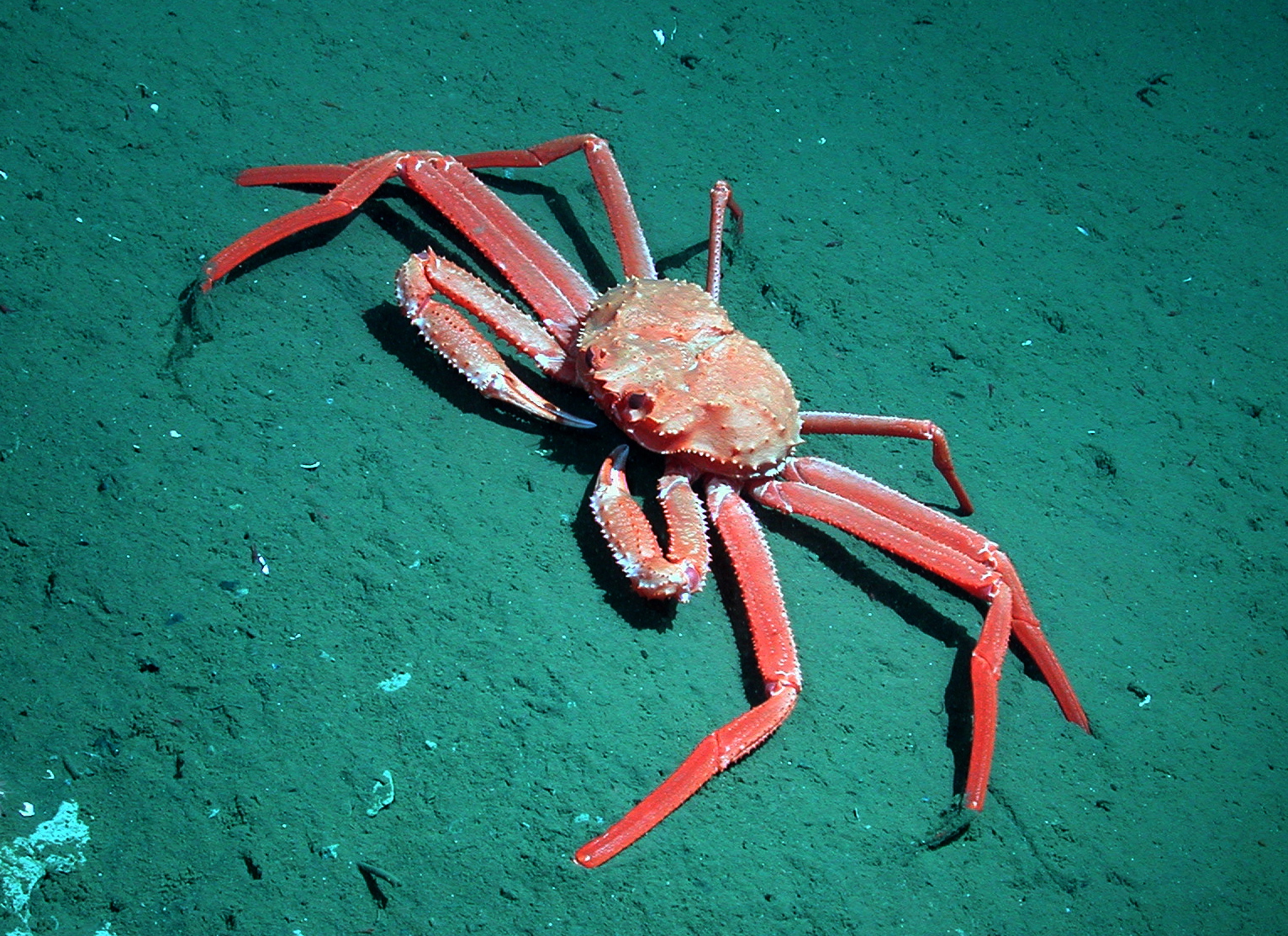
Tanner crabs, also known as Chionoecetes Bairdi or the snow crab are large crabs which live at depths ranging from 13 to 2,180 meters or 43 to 7100 feet. They are found throughout the North Pacific Ocean and Bering Sea along the continental shelf and coastal waters and are usually 1-4 lbs at maturity. They can be found feeding on anything from clams, other crabs, whale carcasses, fish, bacteria, methane seeps and so much more.
Sleeper sharks
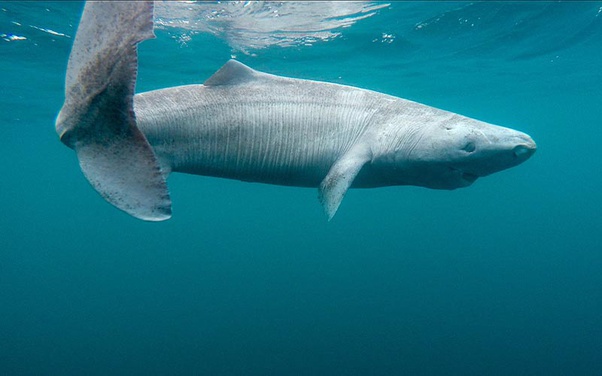
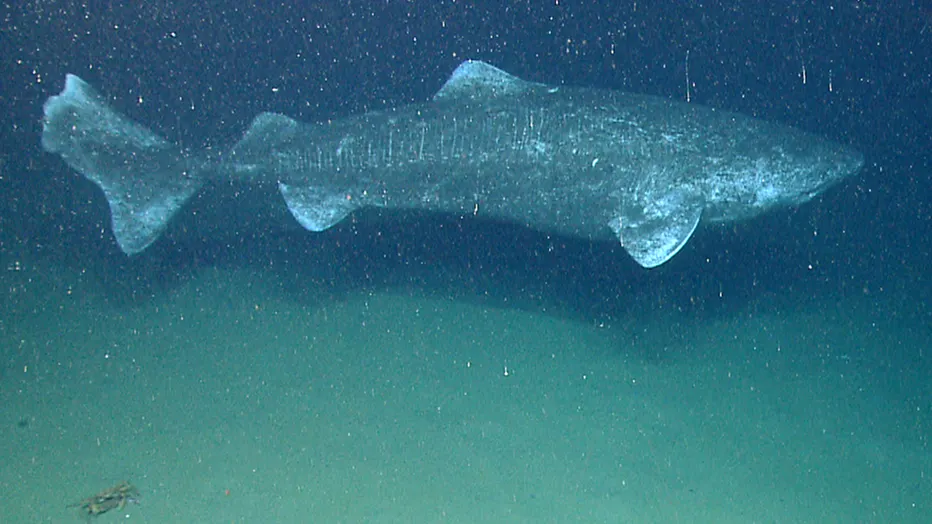 Somniosus pacificus
 , the Pacific sleeper shark is a peculiar shark. They tend to live for several centuries and can sometimes even live as long as 400 years.
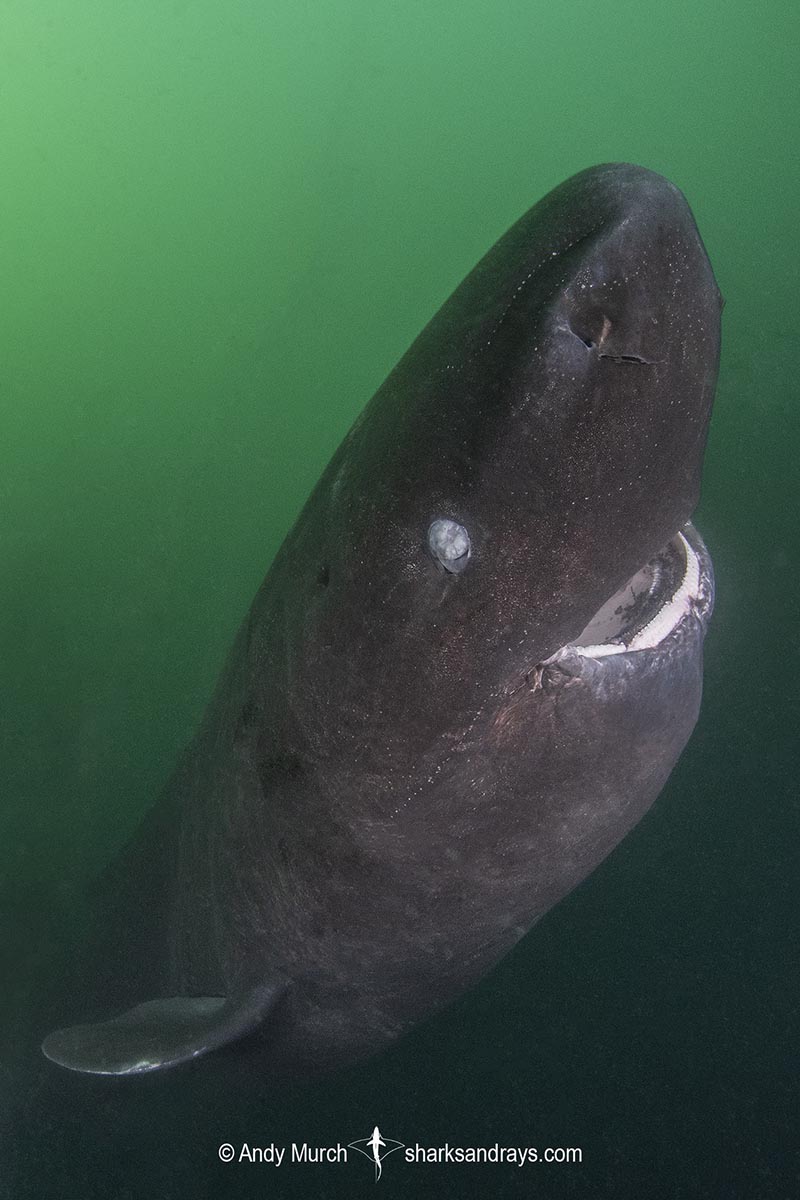
how cute!
Sleeper sharks scavenge on the sea floor and frequent whale falls.
"The sleeper shark’s success as a predator is due to their ability to glide through the water with little body movement, minimizing hydrodynamic noise and eluding acoustic detection by prey. They feed by suction and cutting; their large mouths act as a vacuum to inhale prey, and their lower teeth slice up food too large to swallow whole... They move in a constant oscillating vertical pattern, averaging about 6 km per day. " ( Link to quote )