Coquina!
Coquina is a type of sedimentary rock formed mostly from amalgamations of shells, but it can also be made up of sand and other types of rocks. It is formed in high-energy environments where shells are deposited in layers and cemented together by calcium carbonate.
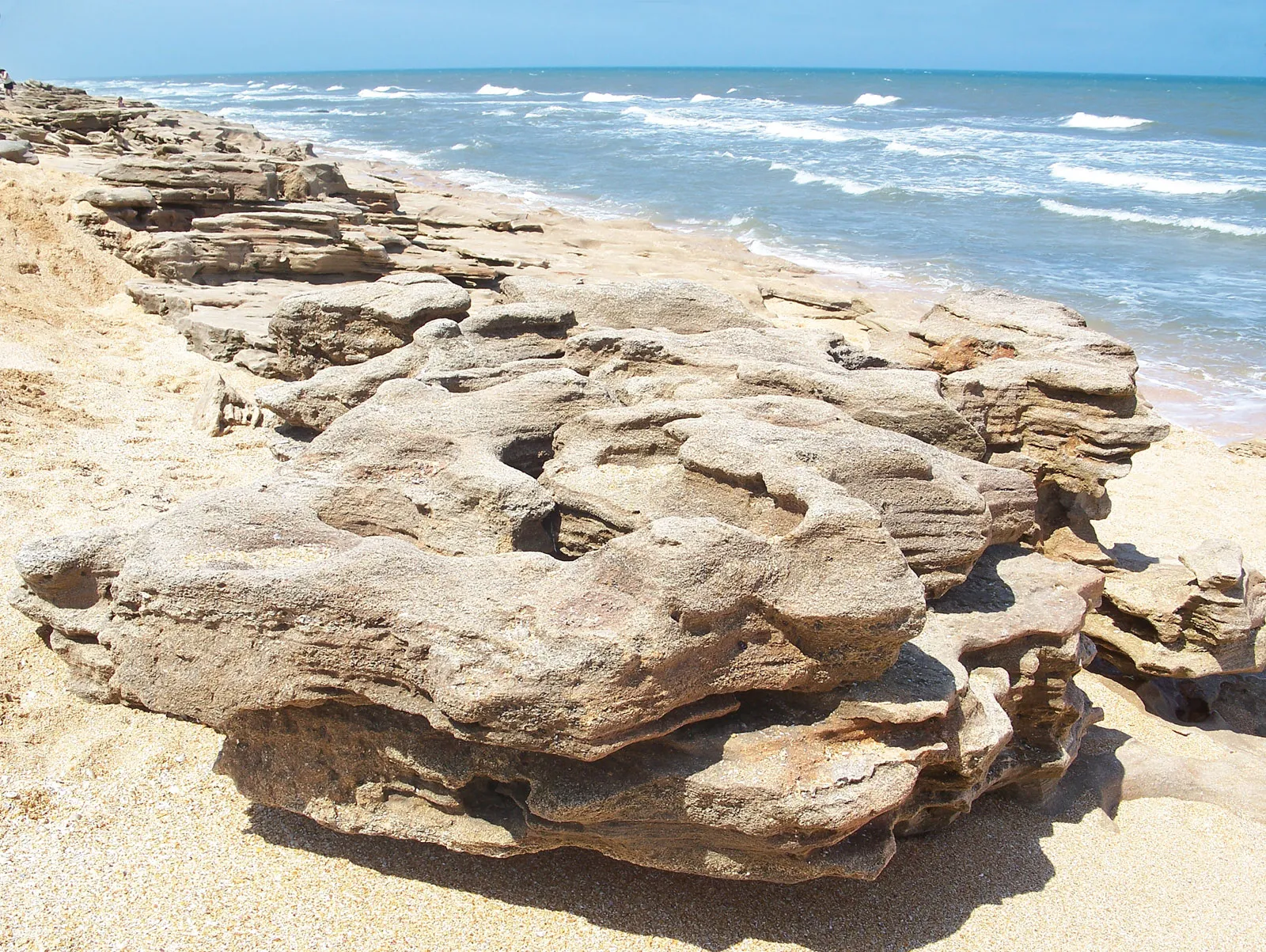
Something that is so interesting about coquina is that it makes up most of the large rocks on the beaches, especially the rocks at Laguna Beach. I have been walking on these rocks all of my life, looking at tide pools and algae not knowing I was standing on coquina.

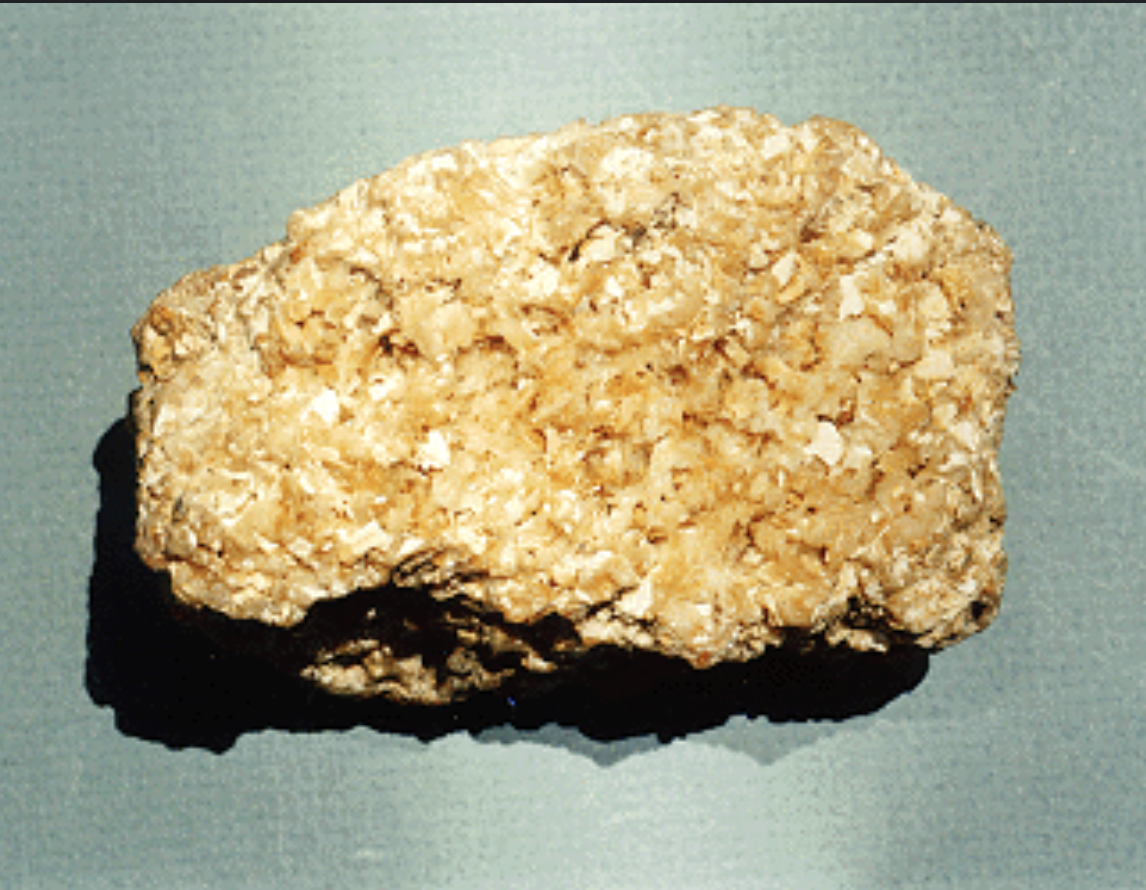
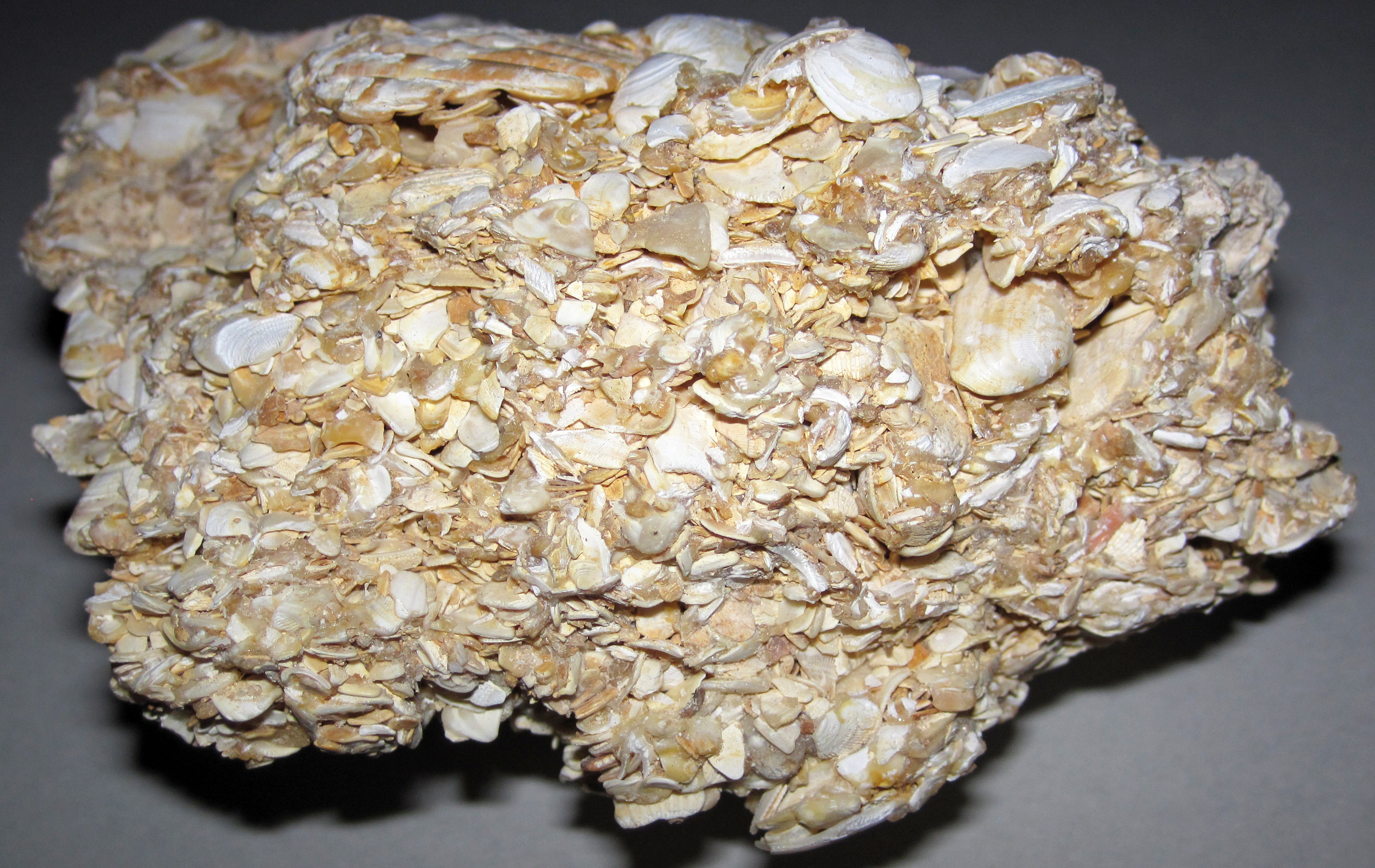
This is a small chunk of coquina. As you can see, there are individual shells and pieces of marine invertabrate fragments, non-uniformedly clumped together, forming an abrasive type of limestone. It is classified as limestone because is it primarily composed of calcium carbonate, a naturally occuring, inorganic salt.
This type of rock is so interesting and valuable to the scientific world because it can contain ancient marine life, providing an excellent fossil record for ancient fossils.
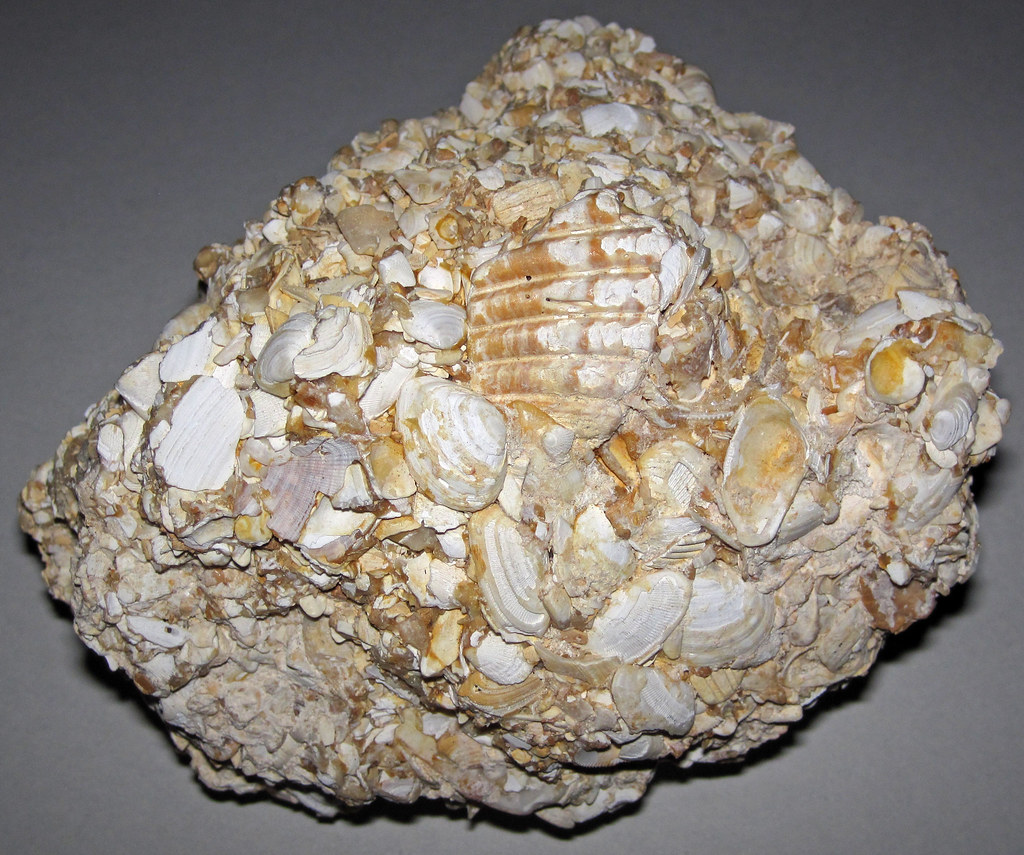
Coquina is primarily made up of mollusks or shells from some type of gastropod. There can also be traces of other invertebrate shell debris, including brachiopod, trilobite, coral, and ostracod.
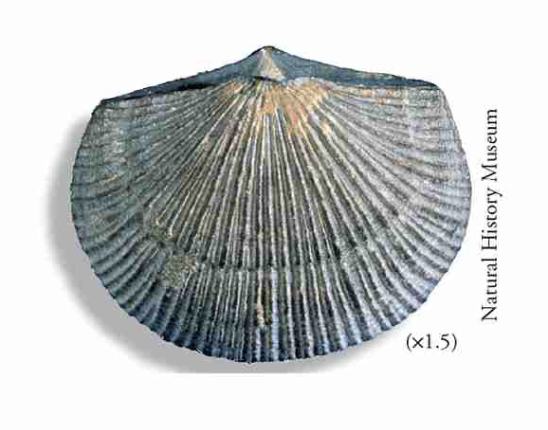 Here is an example of a brachiopod. It may look like a clam but brachiopod and clams are not closely related at all!
Instead of being horizontally symmetrical along their hinge, like clams and other bivalves, they are vertically symmetrical, cut down the middle of their shell. Unlike clams and other bivalves, brachiopod valves are dissimilar to each other. They are symmetrical along the midline of the valves perpendicular to the hinge.
