Coelacanths

Coelacanth

The "living fossil"

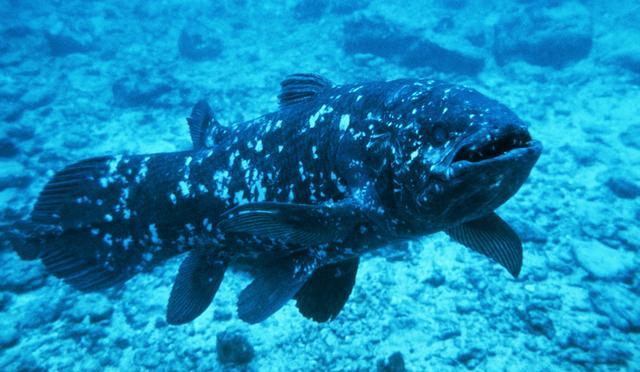
Coelacanths are dated back to the Early Devonian period, approximately 410 million years ago and are still swimming in our oceans today. Though they technically are fish, they are closer in relation to us than the fish that swim alongside them in the ocean today.
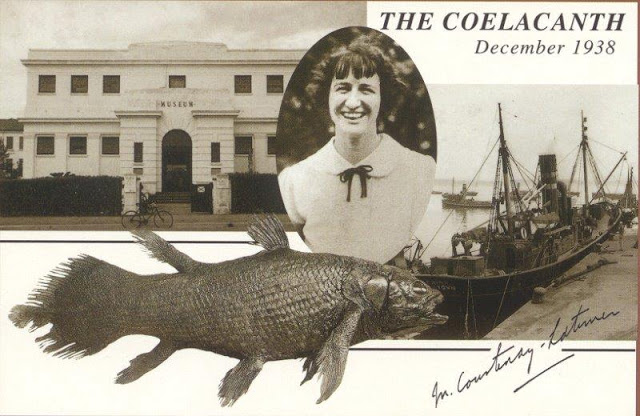
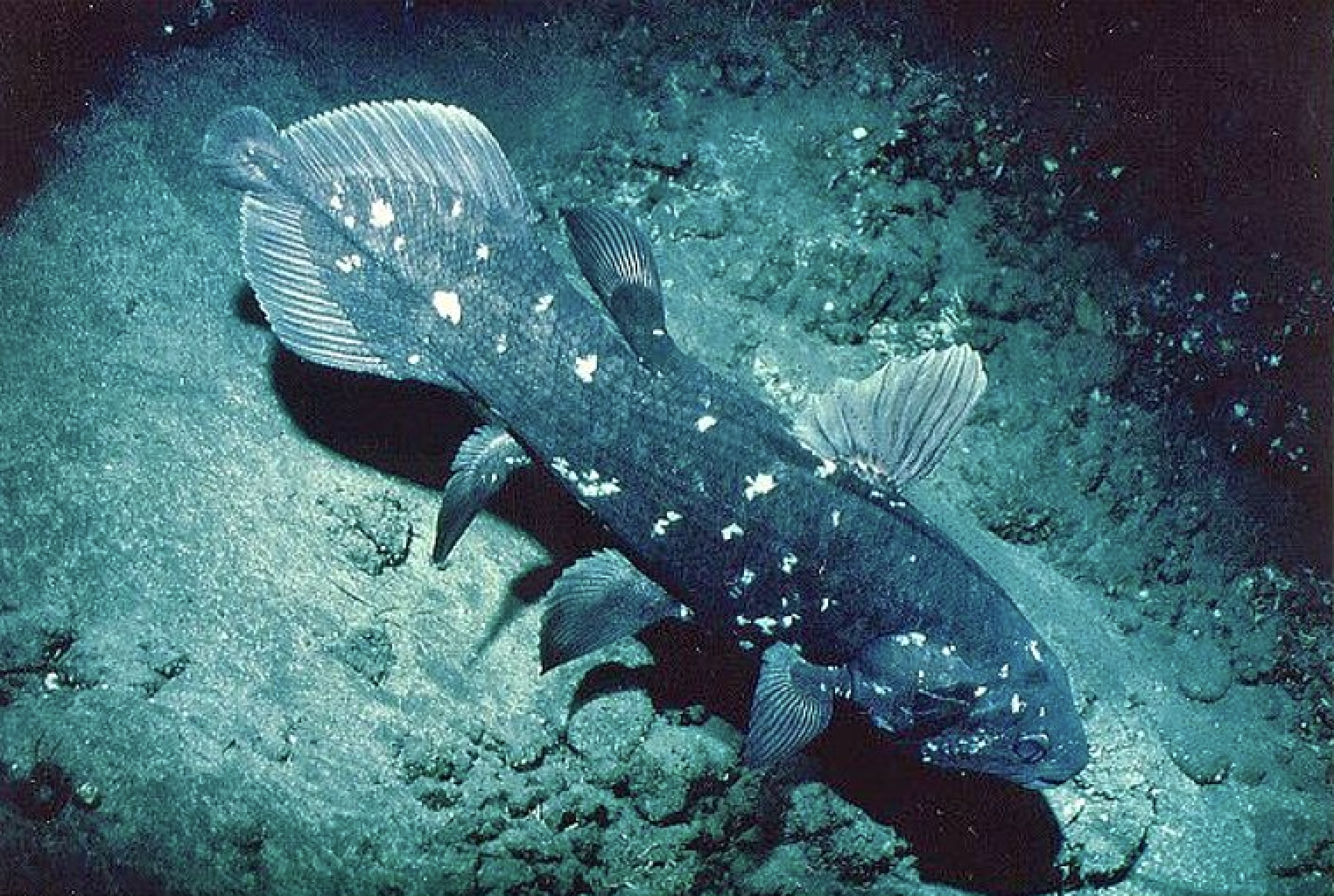
Coelacanths were believed to have gone extinct over 65 million years ago. However, a groundbreaking discovery was made in December of 1938 by Marjorie Courtenay-Latimer who found one of these fish in a local fisherman's catch in South Africa.

Classification

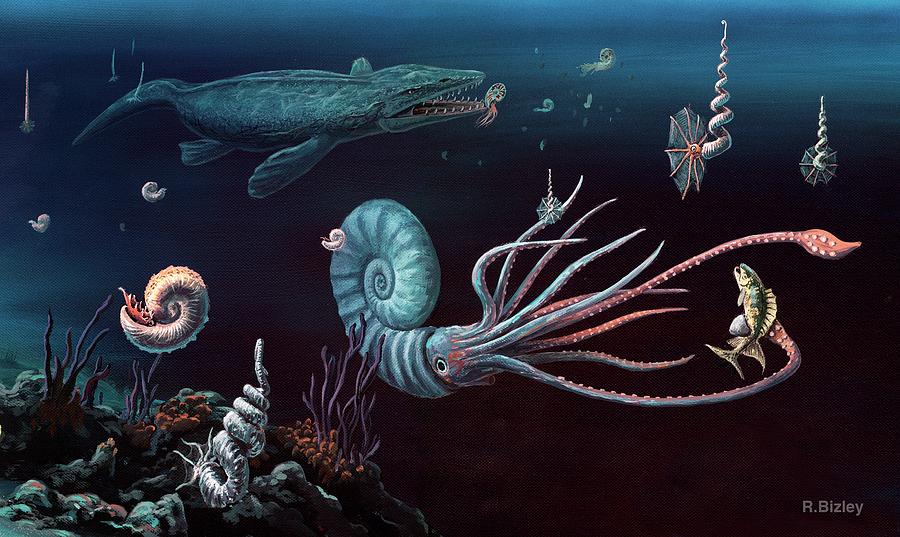
Coelacanths are also known as "living fossils", surviving the mass extinction that wiped out the dinosaurs in the Late Cretaceous period. The Cretaceous period followed the Jurrasic and Triassic Period, all of which are part of the Mezosoic Era. This is what the oceans would have looked like in the Cretaceous period (lasting 79 million years).

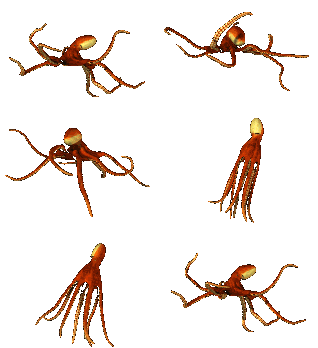
This is not completely accurate, obviously.. But! It is a decent representation of the types of animals in the ocean at that period. The Coelacanth would be swimming alongside animals like Giant Mosasaurs and Anomalocaris. These bony fish live at depths of about 200 m. They are passive drift feeders, moving slowly and passively near the substrate where they feed mostly on cephalopods.